
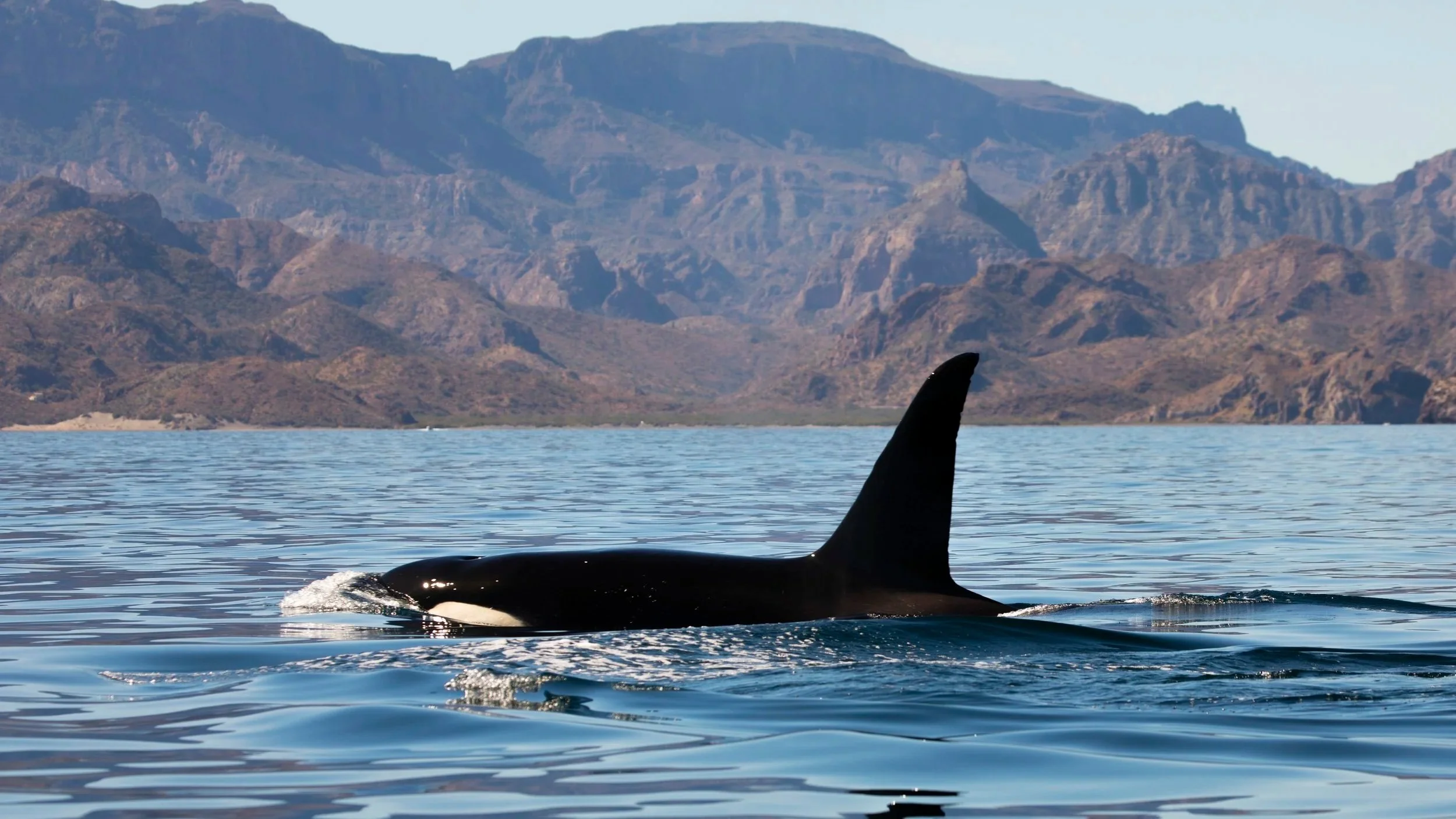
Advancing conservation and sustainable development through science, art, regenerative tourism, and community stewardship of wildlife, ecosystems, and cultural heritage.
Our mission is to generate knowledge, empower local communities, and promote practical conservation solutions that protect biodiversity, strengthen ecosystem resilience, and support the long-term well-being of people and nature.

BAJA CALIFORNIA PENINSULA
A GLOBAL BIODIVERSITY HOTSPOT
OUR WORK
-
Through local community engagement, strategic partnerships, and education initiatives across organizations, government institutions, and the private sector, our advocacy work supports the protection of species, ecosystems, and cultural heritage. We raise awareness, mobilize public and institutional support, and promote evidence-based conservation action, fostering broader participation and long-term commitment to safeguarding the region’s unique biodiversity and living heritage.
-
We run initiatives and campaigns that engage both local and international communities in addressing the negative human impacts that threaten biodiversity, ecosystems, and cultural heritage.
-
Through regenerative tourism and scientific partnerships, we are collecting crucial data that is strategically used to inform and implement new policies, management plans, and behavioral guidelines to protect marine biodiversity.
-
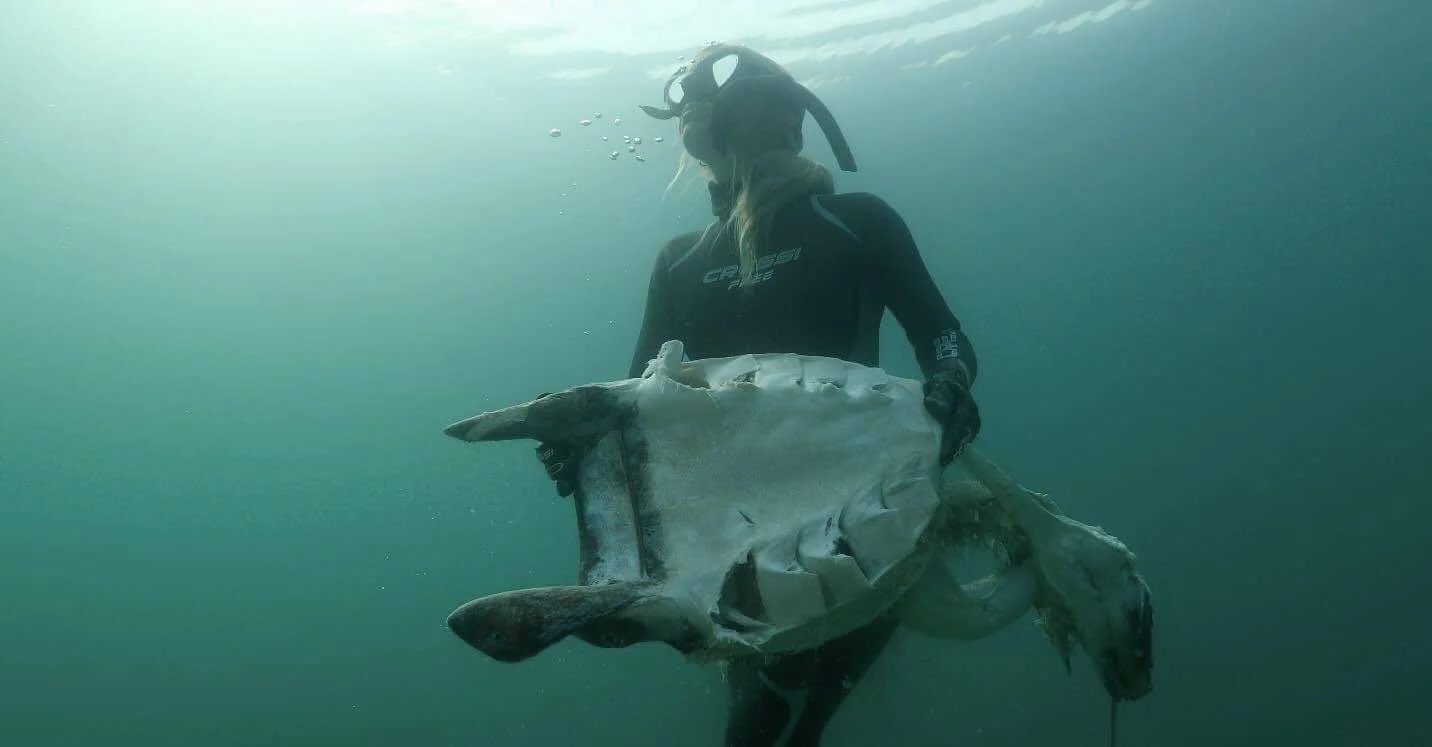
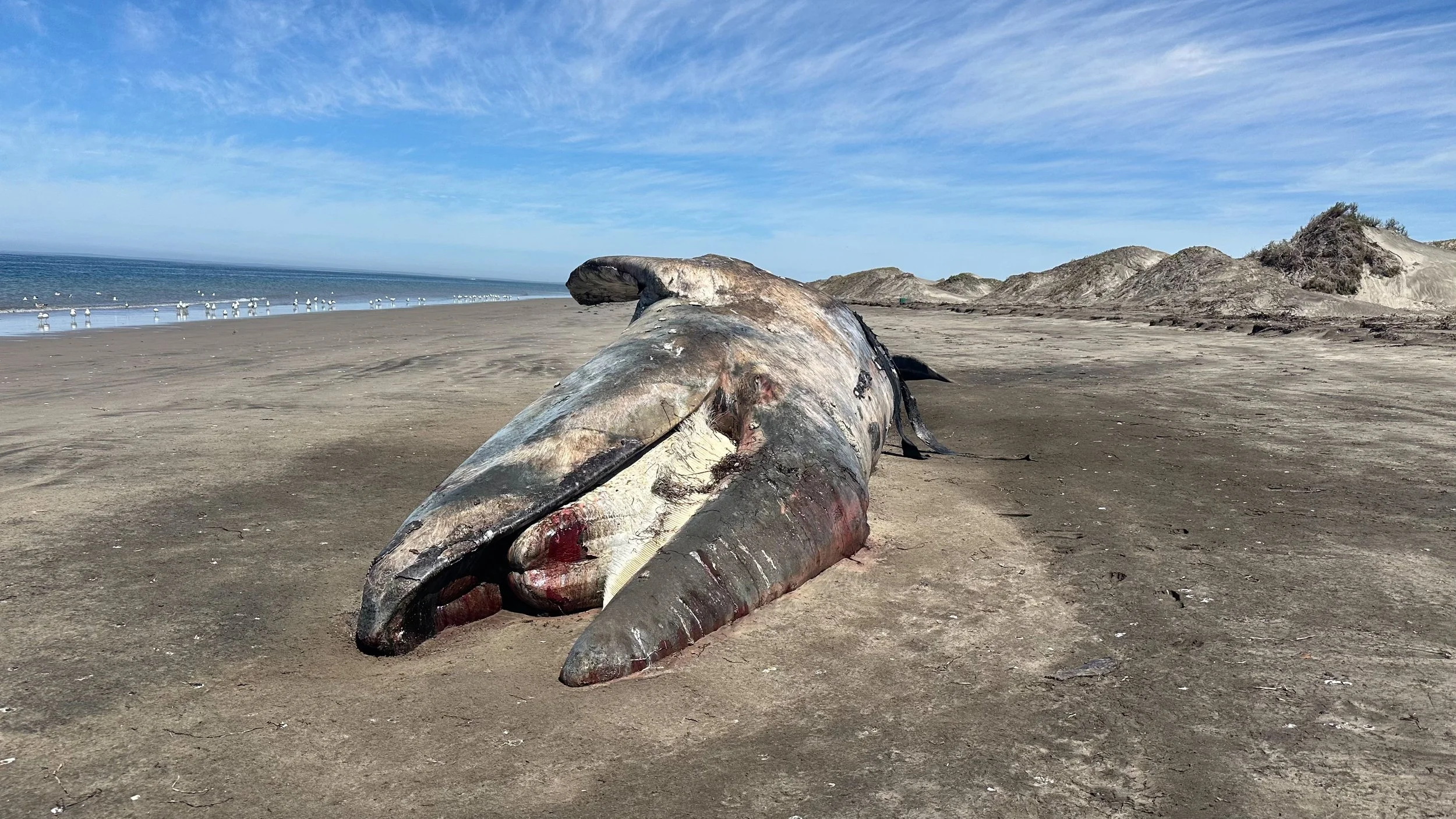
Community-based surveillance expeditions focus on monitoring both land and sea to identify illegal activities, document wildlife mortality, and report entangled or injured species. We work in coordination with relevant authorities and institutions to ensure proper reporting, follow-up, and legal processes, including formal complaints and enforcement actions. Through field presence and systematic observation, we support rapid response, data collection, and conservation efforts across marine and terrestrial ecosystems.
-
Empowering locals to unlock nature's wealth.
We're on a mission to help Baja California Peninsula communities identify their natural wealth and shift from extractive practices to sustainable livelihoods. Shaping a brighter, greener future for humans, ecosystems and species.
-
Our partnerships on wildlife documentaries provide a deeper dive exploration into the worlds of conservation in Baja, offering immersive storytelling and visual evidence of the region's ecological importance, the challenges it faces, and the efforts being made to protect its endangered wildlife.

Get involved
Conservation begins in the field. By joining Nakawe Project, you become part of a community of explorers, scientists, photographers, and conservation advocates working to protect the ecosystems, wildlife, and cultural heritage of Baja California Sur.
Together, we can transform curiosity into action and exploration into lasting conservation impact.
Key Environmental Threats
-
![dead mobula nakawe]()
BIODIVERSITY LOSS
Mexico is one of the world’s most biodiverse countries but also ranks among the highest for endangered species, with over 1,800 species officially listed as extinct, endangered, threatened, or under special protection.
-
![]()
CLIMATE
Climate change harms biodiverse ecosystems by altering temperature and precipitation patterns, disrupting habitats, and threatening the survival of many plant and animal species.
-
![LNG TANKER BAJA]()
INDUSTRIAL DEVELOPMENT
Development harms terrestrial and aquatic environments by causing habitat destruction, fragmentation, and pollution, leading to a loss of biodiversity and ecological degradation.
-
![]()
POLLUTION
Pollution harms ecosystems by contaminating the water, harming wildlife, and disrupting the delicate ecological balance.
-
![Illegal and unregulated tourism]()
ILLEGAL AND UNREGULATED TOURISM
The use of spotter planes and prohibited swimming with cetaceans, gravely threatens Baja's cetaceans, causing stress, behavioral changes, physical harm, and disrupting critical nursing, feeding, and migration patterns
-
![]()
OVERFISHING AND ILEGAL FISHING
Especially in protected and fragile areas in Baja California Peninsula, is a growing threat. Vessels targeting species like sardine and tuna harm artisanal fisheries, wildlife, tourism, and local communities.




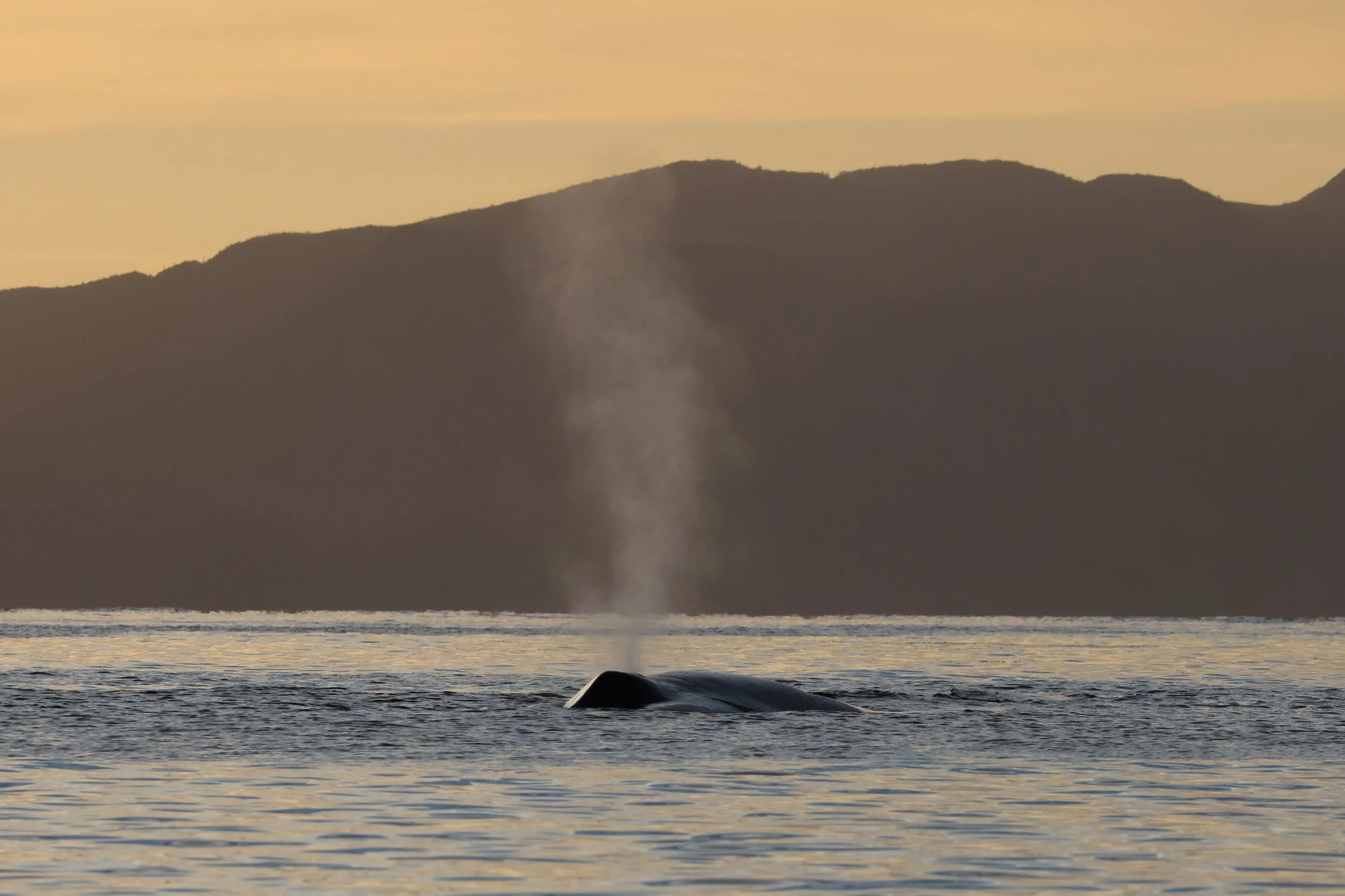
Transforming citizen science one expedition at a time
We work to protect and preserve the ecosystems, species, and human communities of Baja California Sur through ecological monitoring, field-based research, and regenerative tourism, while supporting local livelihoods and honoring regional cultural heritage as an integral part of conservation..
Our regenerative tourism expeditions
Based in Loreto, our expeditions explore the wild landscapes and seas of the Baja California Peninsula, connecting adventure with conservation through regenerative tourism.
Working alongside scientists, naturalists, and local communities, participants engage in citizen science projects such as whale photo-identification, camera trapping, biodiversity monitoring, and environmental education—supporting research, conservation, and sustainable development.
We invite visitors, researchers, and photographers to join our mission to protect the ecosystems, species, and communities of Baja California Sur and contribute to meaningful conservation action.
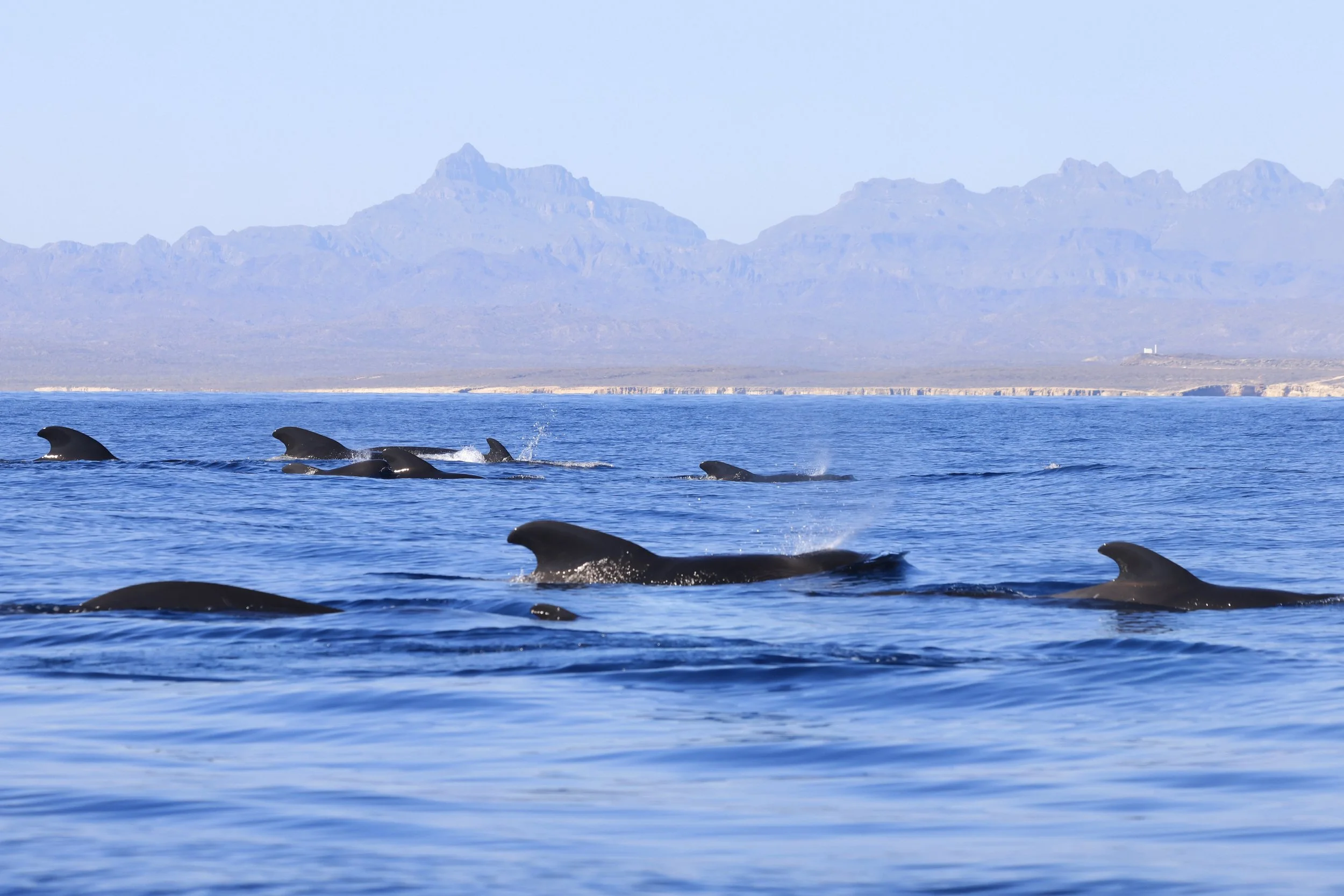
Marine expeditions
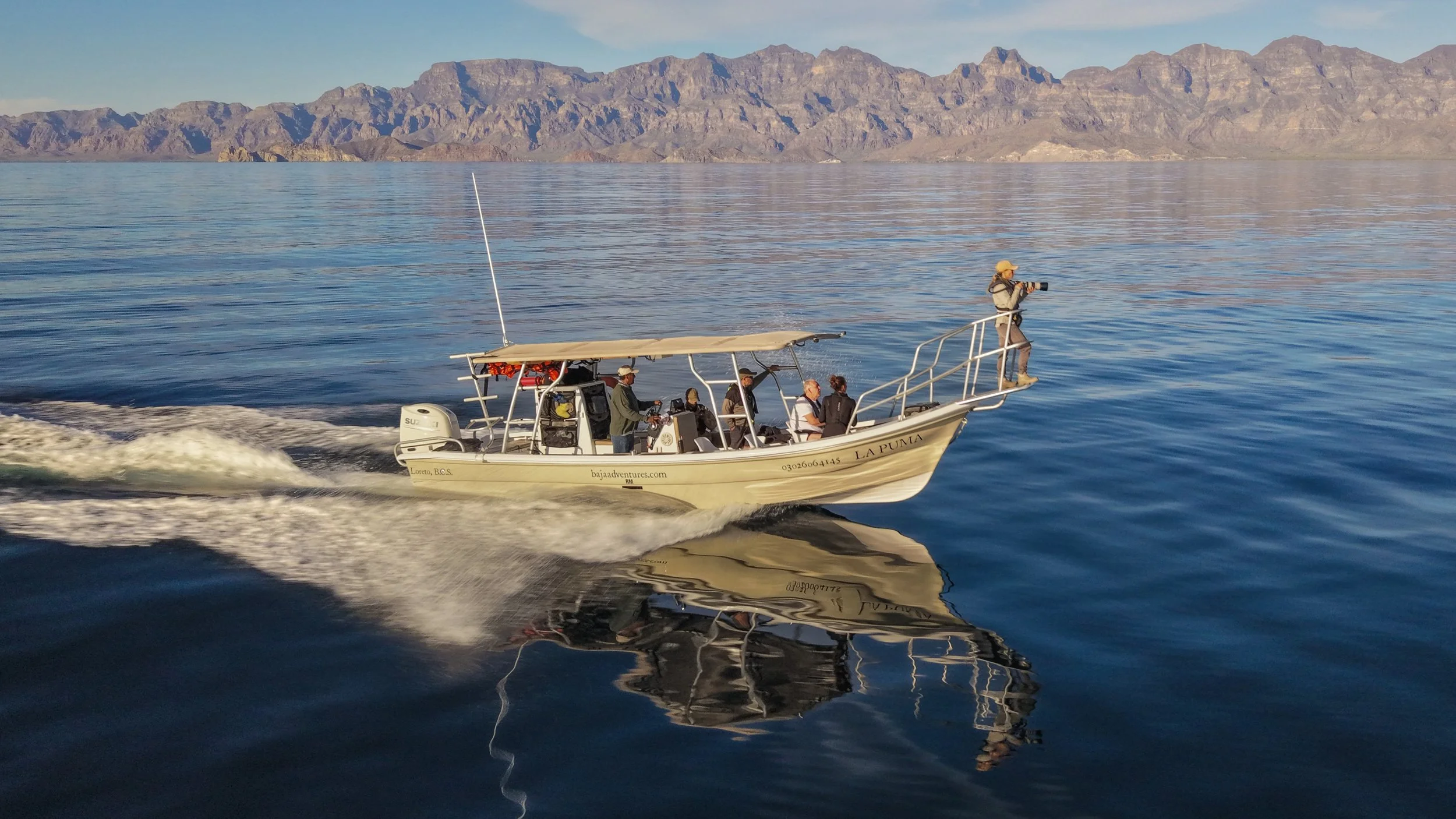
Aboard La Puma, our purpose-built expedition vessel, we explore Loreto Bay National Park and the Gulf of California year-round in search of whales, dolphins, seabirds, and other marine wildlife. Through ethical wildlife encounters and citizen science, participants help collect cetacean distribution data that supports research, conservation, and the management of Loreto Bay National Park and its highly migratory species.
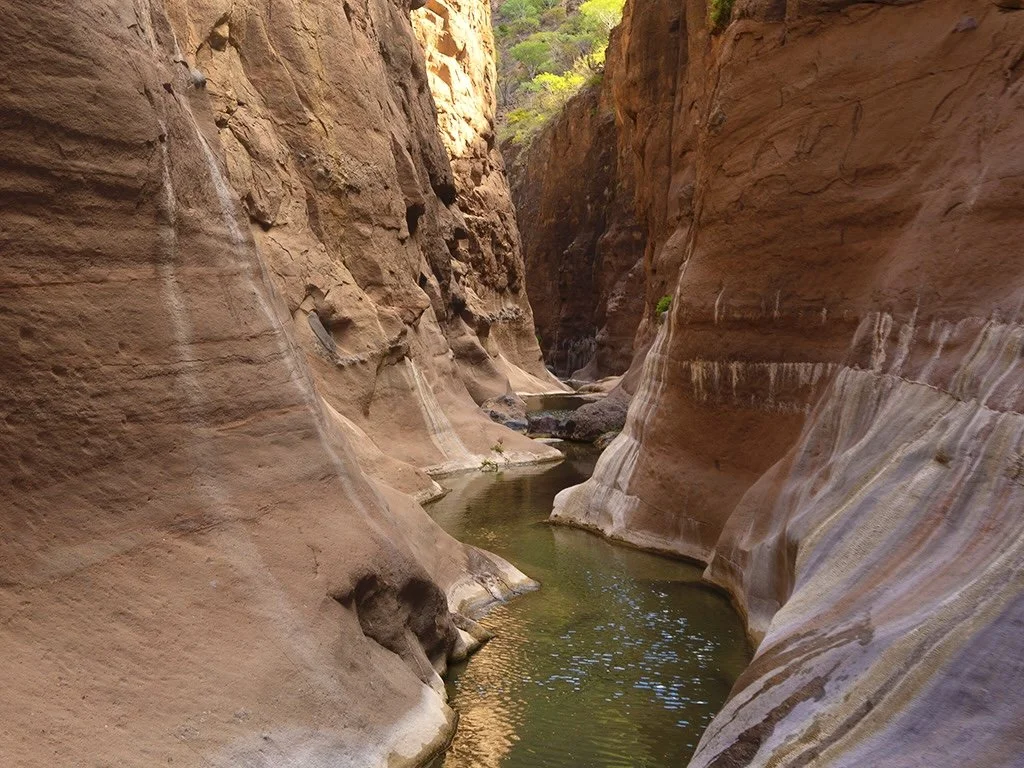
Terrestrial expeditions
In the Sierra La Giganta, our land expeditions use camera trapping and field surveys to document biodiversity, predator dynamics, and human–wildlife interactions. While exploring canyons, oases, and archaeological sites, participants contribute to citizen science that supports conservation and local community benefits.
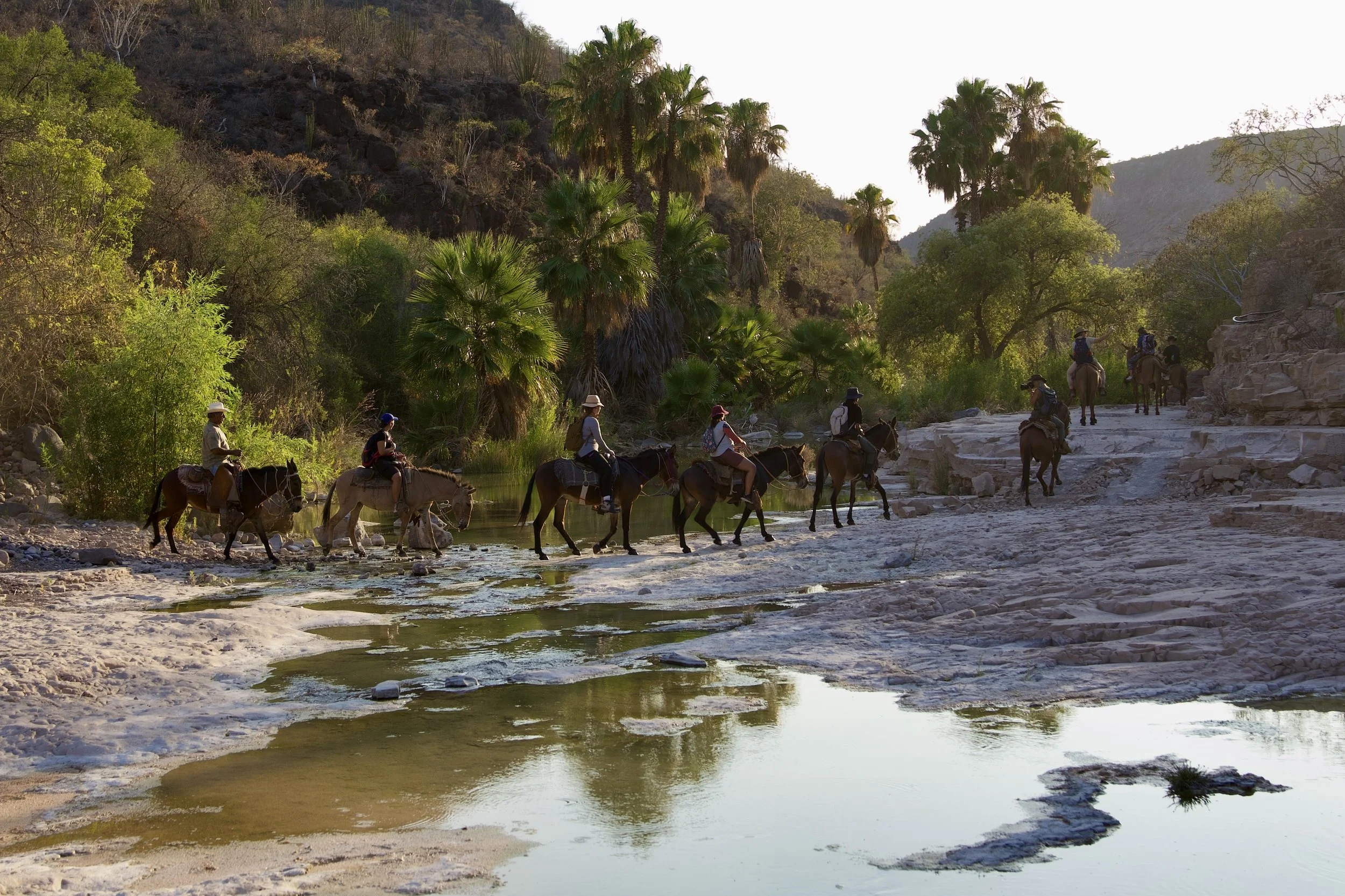
Cultural Heritage Expeditions
Cultural Heritage Expeditions explore the living traditions of Baja through seasonal, locally sourced gastronomy and hands-on encounters with regional crafts such as leatherwork and traditional goods. Alongside mule riding and visits to rural communities, participants engage with the cultural landscapes that connect people, place, and heritage.
Key Actions to Support Regenerative Tourism
Choose Responsible Travel Providers
1
Opt for travel organizations that implement regenerative practices, prioritize environmental stewardship, and contribute to local community well-being.
Support Conservation-Focused Travel
2
Choose travel experiences that fund local conservation efforts, such as destinations that use tourism fees to protect marine areas or offer eco-education programs.
Engage in Nature-Based Solutions
3
During your travels, take part in hands-on conservation initiatives such as camera trap monitoring, photo-identification (photo ID) of wildlife, biodiversity surveys, and other field-based research programs that directly contribute to understanding and protecting local ecosystems
Advocate for Sustainable Tourism Policies
4
Promote travel policies that support ecosystem conservation and sustainable local economies by engaging with policymakers and supporting businesses committed to sustainable values.
OUR PRIORITY CONSERVATION SPECIES








Fuel research.
Fund conservation.
Help keep Baja wild.
Impact of Your Support
Expands monitoring patrols and field surveillance on land and sea.
Strengthens collaboration with researchers and partners.
Enables more species distribution and biodiversity expeditions.
Supports management plans for Loreto and surrounding areas.
Enhances conservation campaigns and environmental advocacy.
COLLABORATIONS